Saltar al contenido
Myelin Alicante

Filter by Publications Category
CNS
PNS
PNS - CNS
Filter by Publications Tag
Academia
ADAM10
Adipocytes
Ageing
Alzheimer’s disease
Amyotrophic Lateral Sclerosis
Astrocytes
Axonal Pathology
Chronic denervation
Cognitive Decline
Cornea
Development
Diabetes
Diabetic Neuropathy
Diabetic Retinopathy
Duchenne muscular dystrophy
Endocytosis
Epigenetics
Gamma Secretase
Glial Cells
HDAC11
Immune cells
Inflammation
Jun Transcription Factor
Macrophages
Mesenchymal Stem Cells
Metabolism
Microbiome
Microglia
Motor Neuron
MRI
Muller
Multiple Sclerosis
Muscle atrophy
Myelin
Myelination
Nerve injury
Nerve regeneration
Nerve repair
Neurodegeneration
Neuroimmunology
Neuroscience
Nuclear Receptor
Oligodendrocytes
OPC´s
Pericytes
Regeneration
Regulatory T cells
Remyelination
Retina
Sarcopenia
Schwann Cells
Senescence
Sod1g93a Mutant
Synaptic Plasticity
Therapeutic Approaches

  • Research
  • Publications
  • Team
  • Collaborative Network
  • Contact
  • Gallery
  • News

Archivos: Publications

Publicaciones mas recientes

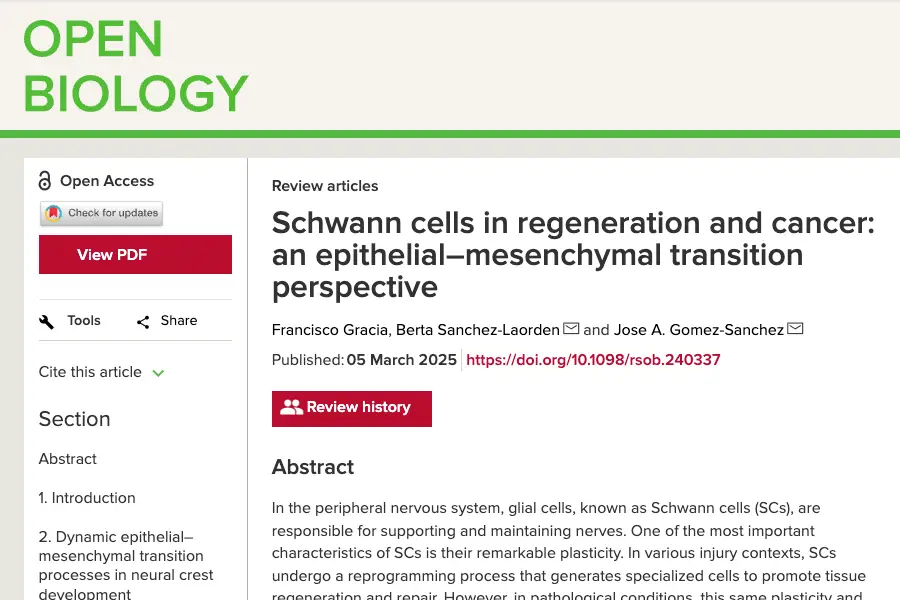
Schwann cells in regeneration and cancer: an epithelial-mesenchymal transition perspective

HDAC11 deficiency regulates age-related muscle decline and sarcopenia

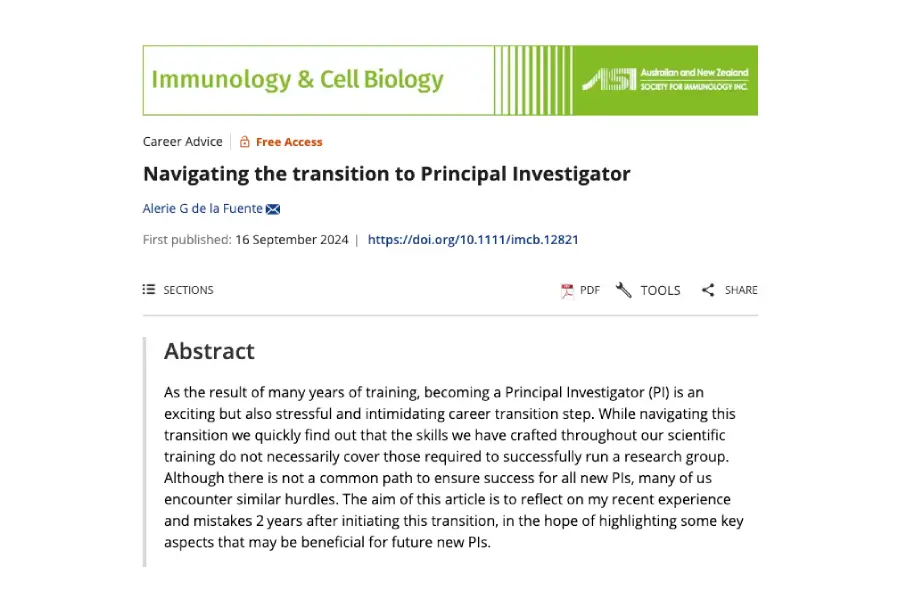
Navigating the transition to Principal Investigator

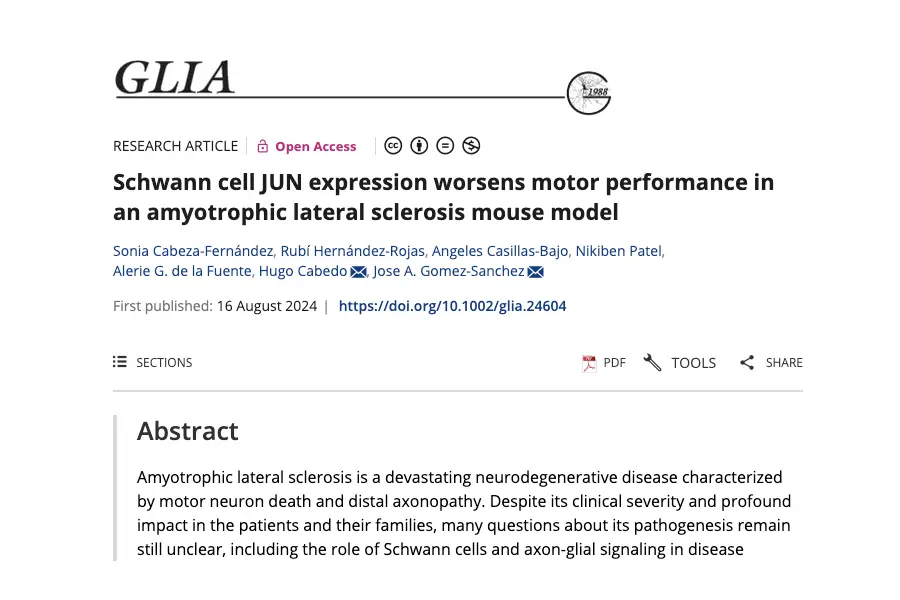
Schwann cell JUN expression worsens motor performance in an amyotrophic lateral sclerosis mouse model

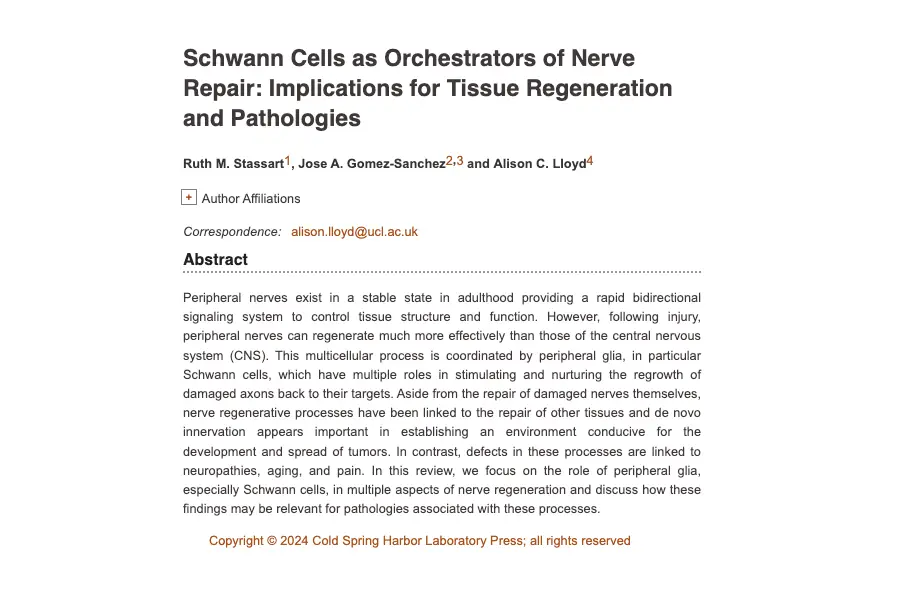
Schwann Cells as Orchestrators of Nerve Repair: Implications for Tissue Regeneration and Pathologies

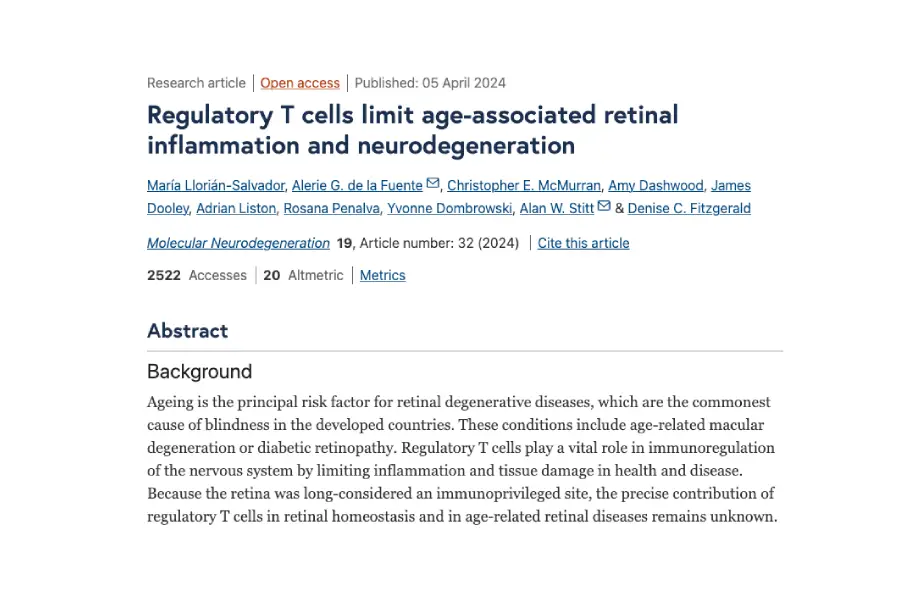
Regulatory T cells limit age-associated retinal inflammation and neurodegeneration

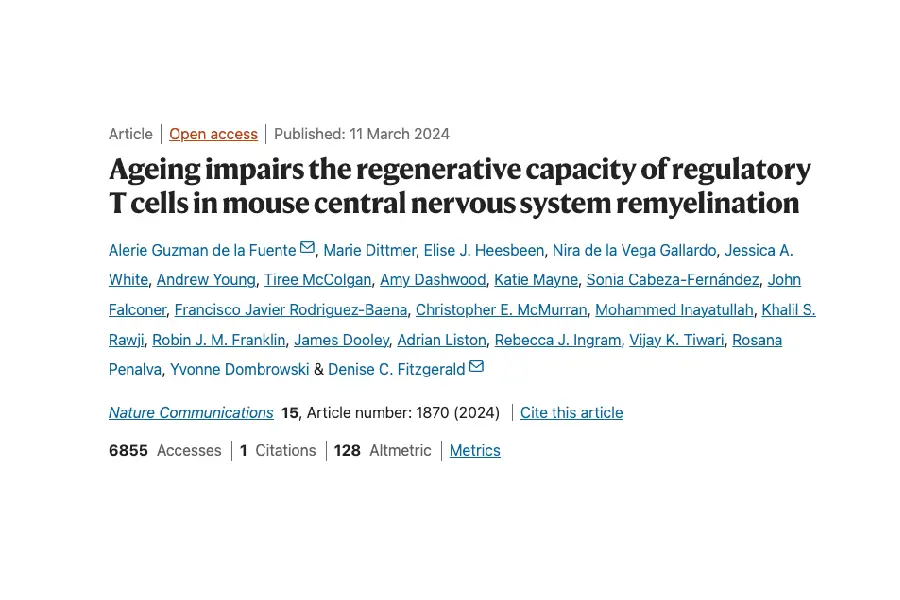
Ageing impairs the regenerative capacity of regulatory T cells in mouse central nervous system remyelination

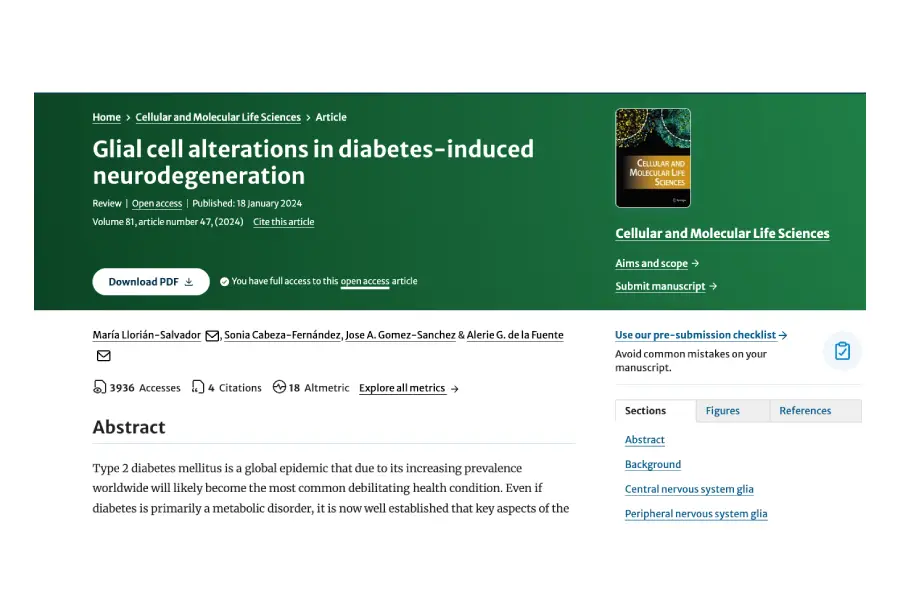
Glial cell alterations in diabetes-induced neurodegeneration

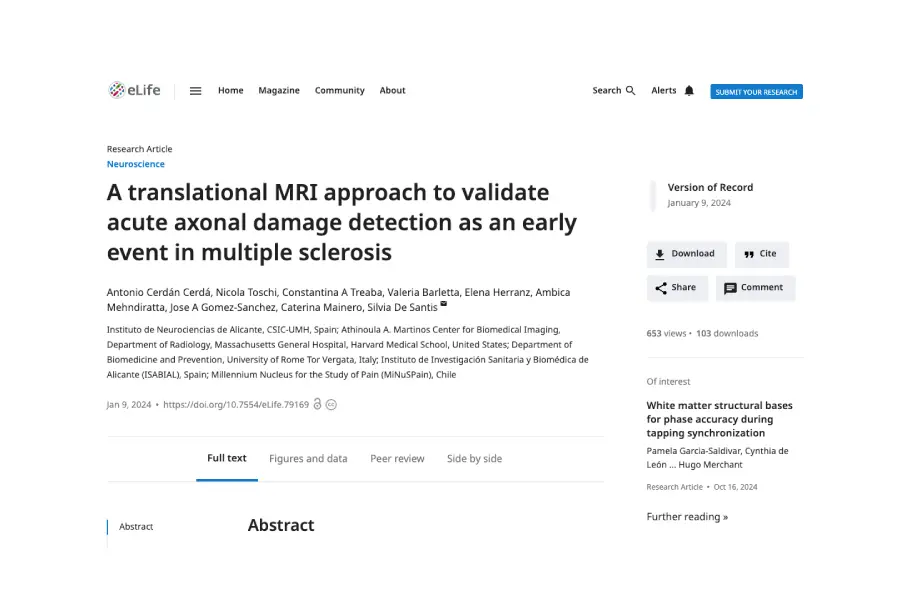
A translational MRI approach to validate acute axonal damage detection as an early event in multiple sclerosis

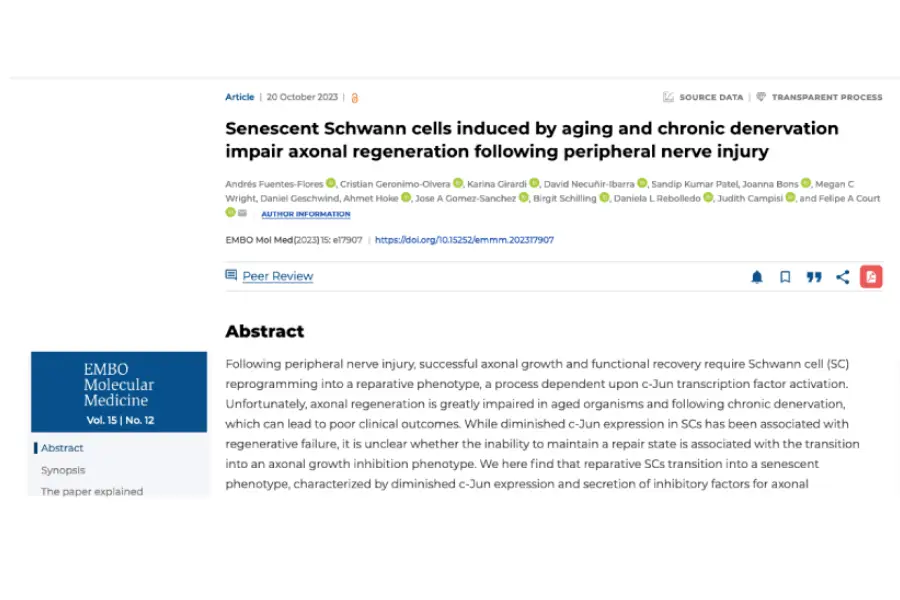
Senescent Schwann cells induced by aging and chronic denervation impair axonal regeneration following peripheral nerve injury

Adipo-glial signaling mediates metabolic adaptation in peripheral nerve regeneration

Adipo-glial signaling mediates metabolic adaptation in peripheral nerve regeneration

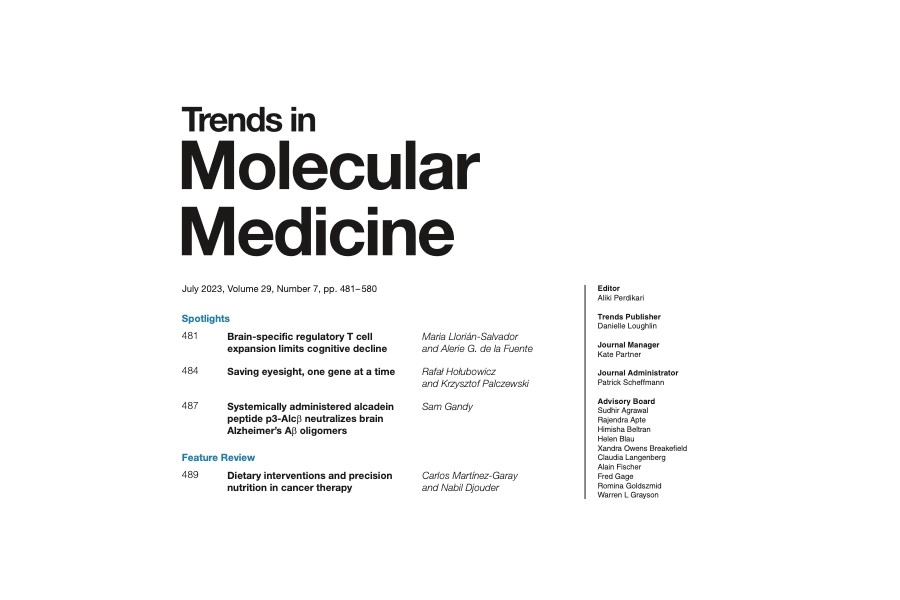
Brain-specific regulatory T cell expansion limits cognitive decline

Brain-specific regulatory T cell expansion limits cognitive decline

SARM1 detection in myelinating glia: sarm1/Sarm1 is dispensable for PNS and CNS myelination in zebrafish and mice

SARM1 detection in myelinating glia: sarm1/Sarm1 is dispensable for PNS and CNS myelination in zebrafish and mice

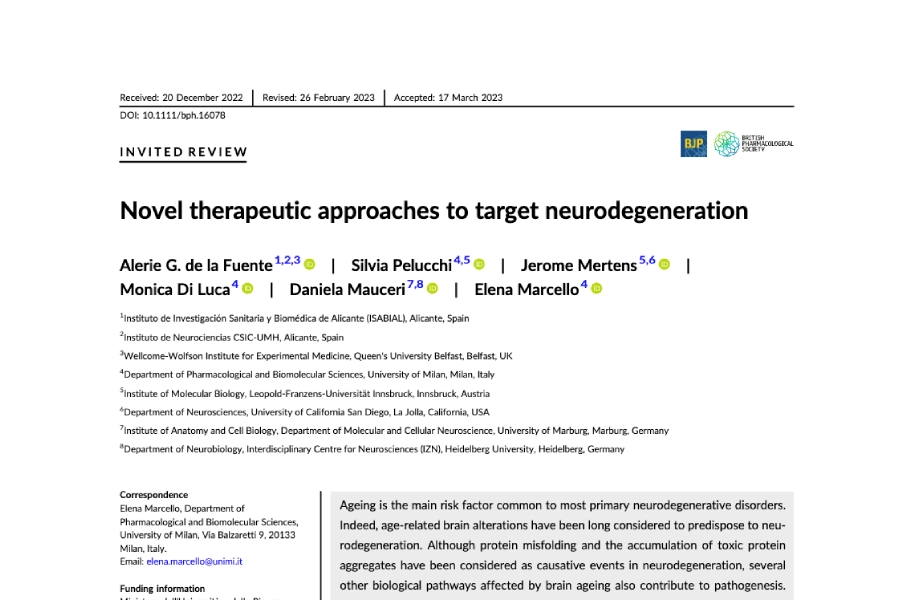
Novel therapeutic approaches to target neurodegeneration

Novel therapeutic approaches to target neurodegeneration

Brain magnetic resonance imaging in the DE50-MD dog model of Duchenne muscular dystrophy reveals regional reductions in cerebral gray matter

Brain magnetic resonance imaging in the DE50-MD dog model of Duchenne muscular dystrophy reveals regional reductions in cerebral gray matter

Ageing impairs the regenerative capacity of regulatory T cells in central nervous system remyelination

Ageing impairs the regenerative capacity of regulatory T cells in central nervous system remyelination

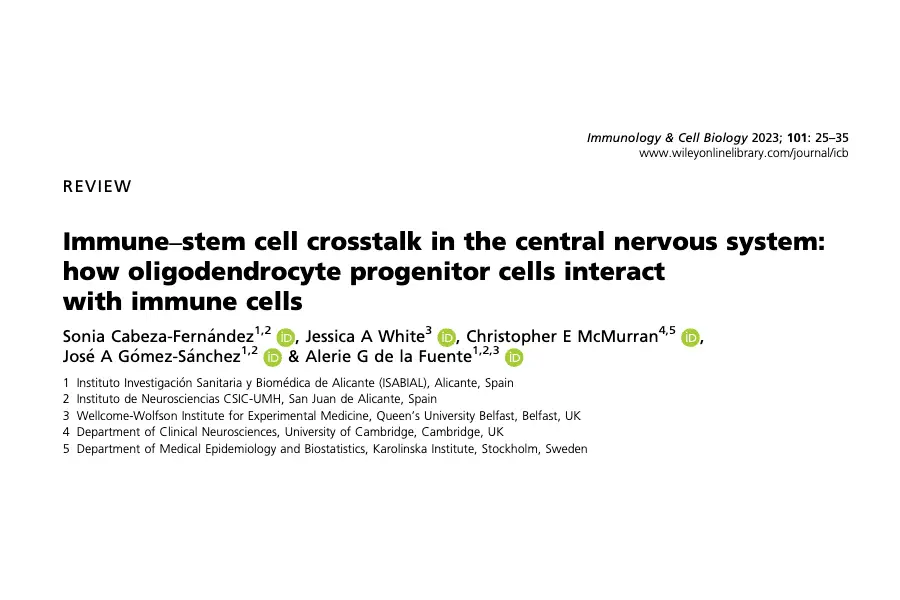
Immune–stem cell crosstalk in the central nervous system: how oligodendrocyte progenitor cells interact with immune cells

Immune–stem cell crosstalk in the central nervous system: how oligodendrocyte progenitor cells interact with immune cells

Senescent Schwann cells induced by aging and chronic denervation impair axonal regeneration after peripheral nerve injury

Senescent Schwann cells induced by aging and chronic denervation impair axonal regeneration after peripheral nerve injury

Fasciclin 2 engages EGFR in an auto-stimulatory loop to promote imaginal disc cell proliferation in Drosophila

Fasciclin 2 engages EGFR in an auto-stimulatory loop to promote imaginal disc cell proliferation in Drosophila

An Experimental Model of Neuro-Immune Interactions in the Eye: Corneal Sensory Nerves and Resident Dendritic Cells

An Experimental Model of Neuro-Immune Interactions in the Eye: Corneal Sensory Nerves and Resident Dendritic Cells

Emerging Role of HDACs in Regeneration and Ageing in the Peripheral Nervous System: Repair Schwann Cells as Pivotal Targets

Emerging Role of HDACs in Regeneration and Ageing in the Peripheral Nervous System: Repair Schwann Cells as Pivotal Targets

A genetic compensatory mechanism regulated by Jun and Mef2d modulates the expression of distinct class IIa Hdacs to ensure peripheral nerve myelination and repair

A genetic compensatory mechanism regulated by Jun and Mef2d modulates the expression of distinct class IIa Hdacs to ensure peripheral nerve myelination and repair

Autoantibodies and microglia: boon or bane?

Autoantibodies and microglia: boon or bane?

Failures of nerve regeneration caused by aging or chronic denervation are rescued by restoring Schwann cell c-Jun

Failures of nerve regeneration caused by aging or chronic denervation are rescued by restoring Schwann cell c-Jun

Systematic approach to selecting licensed drugs for repurposing in the treatment of progressive multiple sclerosis

Systematic approach to selecting licensed drugs for repurposing in the treatment of progressive multiple sclerosis

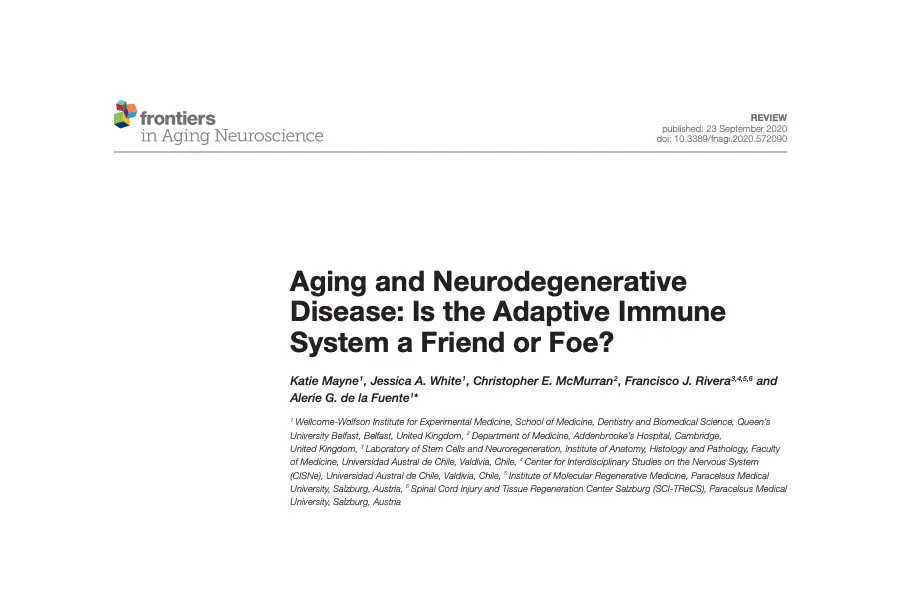
Aging and Neurodegenerative Disease: Is the Adaptive Immune System a Friend or Foe?

Aging and Neurodegenerative Disease: Is the Adaptive Immune System a Friend or Foe?

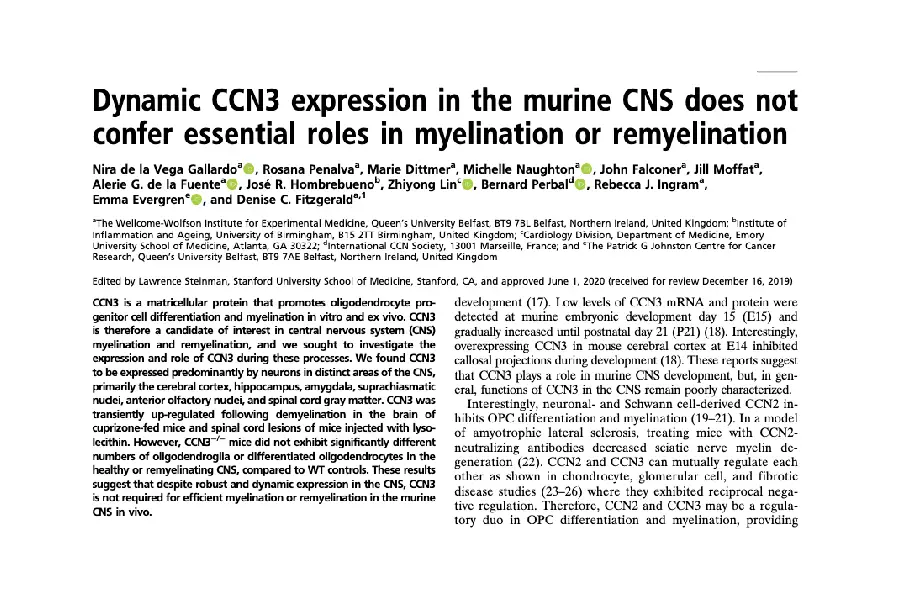
Dynamic CCN3 expression in the murine CNS does not confer essential roles in myelination or remyelination

Dynamic CCN3 expression in the murine CNS does not confer essential roles in myelination or remyelination

Microglia Require CD4 T Cells to Complete the Fetal-to-Adult Transition

Microglia Require CD4 T Cells to Complete the Fetal-to-Adult Transition

Changes in the oligodendrocyte progenitor cell proteome with ageing

Changes in the oligodendrocyte progenitor cell proteome with ageing

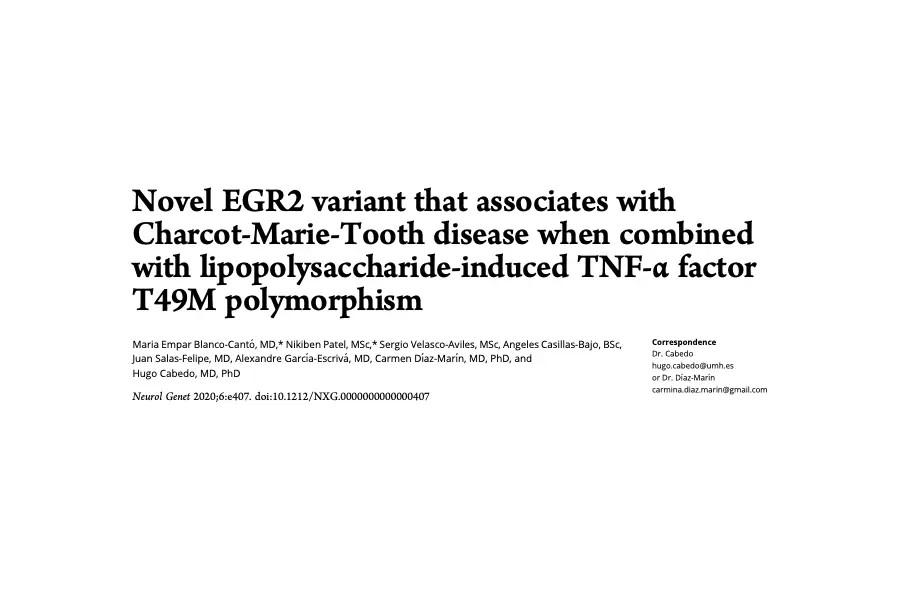
Novel EGR2 variant that associates with Charcot-Marie-Tooth disease when combined with lipopolysaccharide-induced TNF-α factor T49M polymorphism

Novel EGR2 variant that associates with Charcot-Marie-Tooth disease when combined with lipopolysaccharide-induced TNF-α factor T49M polymorphism

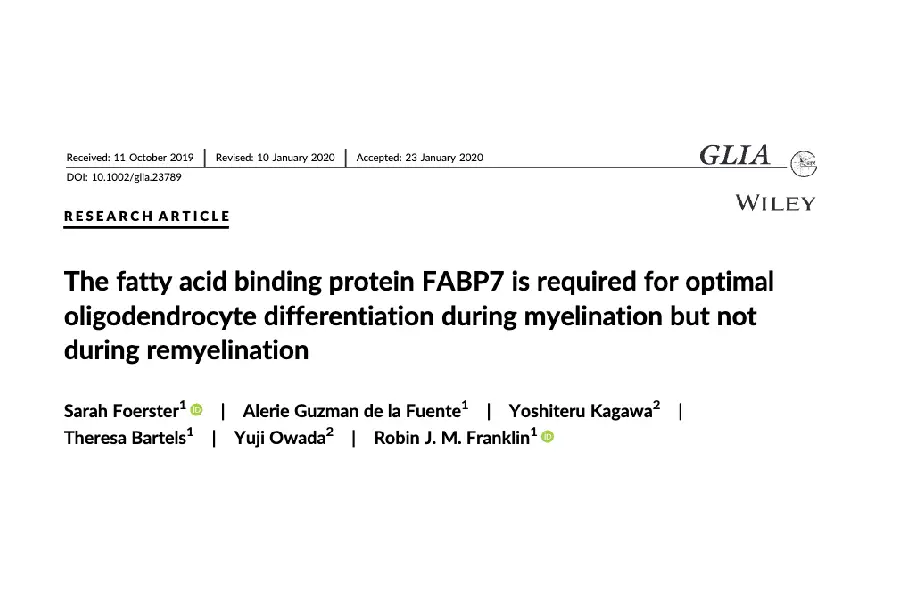
The fatty acid binding protein FABP7 is required for optimal oligodendrocyte differentiation during myelination but not during remyelination.

The fatty acid binding protein FABP7 is required for optimal oligodendrocyte differentiation during myelination but not during remyelination.

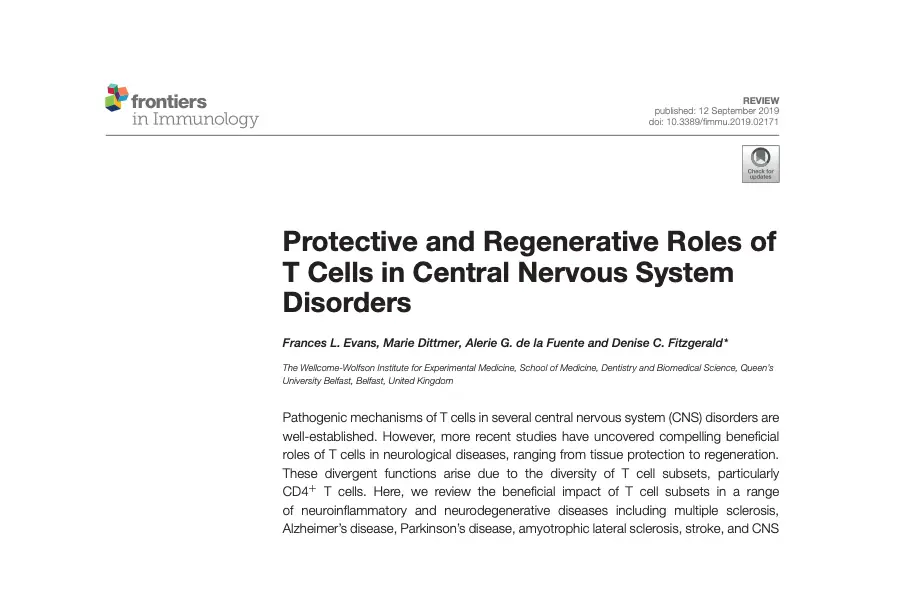
Protective and Regenerative Roles of T Cells in Central Nervous System Disorders

Protective and Regenerative Roles of T Cells in Central Nervous System Disorders

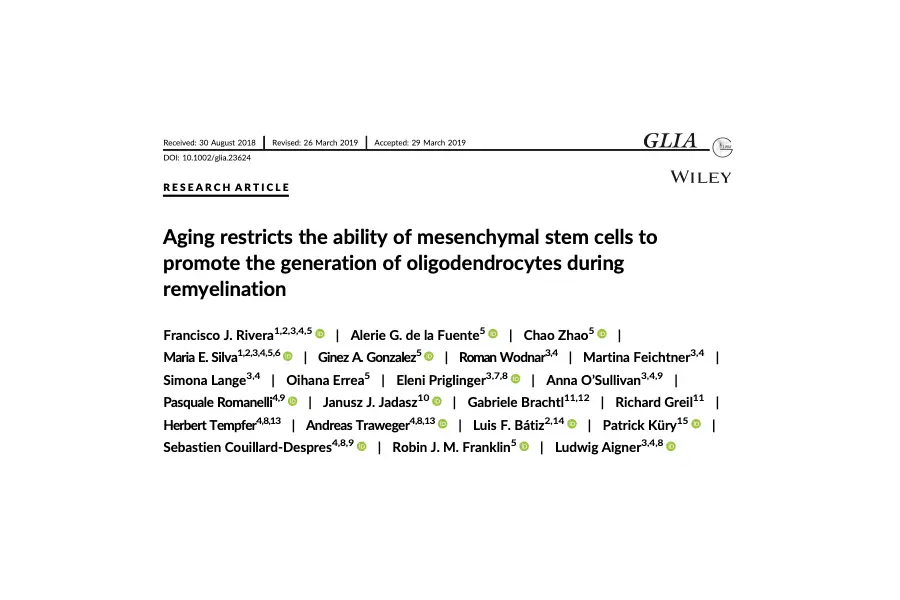
Aging restricts the ability of mesenchymal stem cells to promote the generation of oligodendrocytes during remyelination.

Aging restricts the ability of mesenchymal stem cells to promote the generation of oligodendrocytes during remyelination.

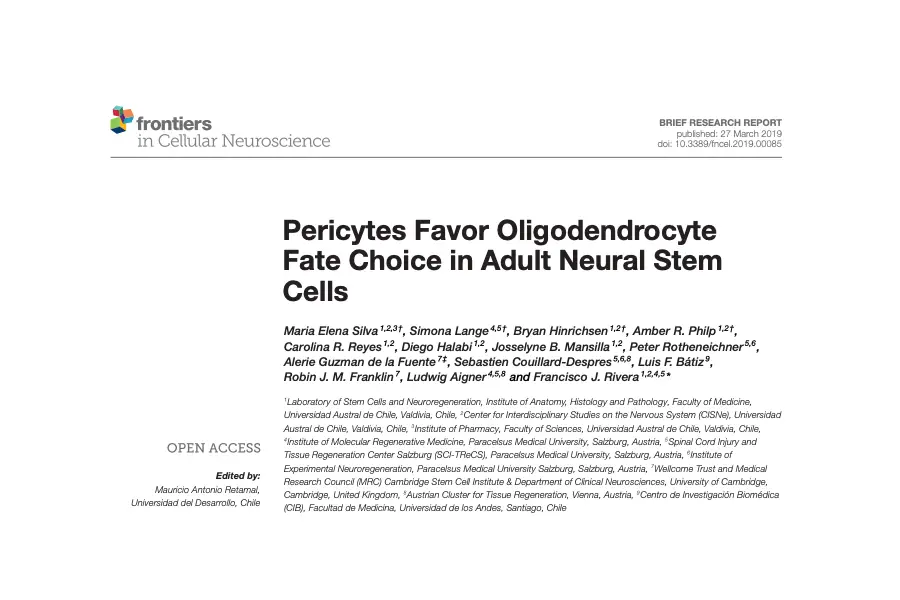
Pericytes Favor Oligodendrocyte Fate Choice in Adult Neural Stem Cells

Pericytes Favor Oligodendrocyte Fate Choice in Adult Neural Stem Cells

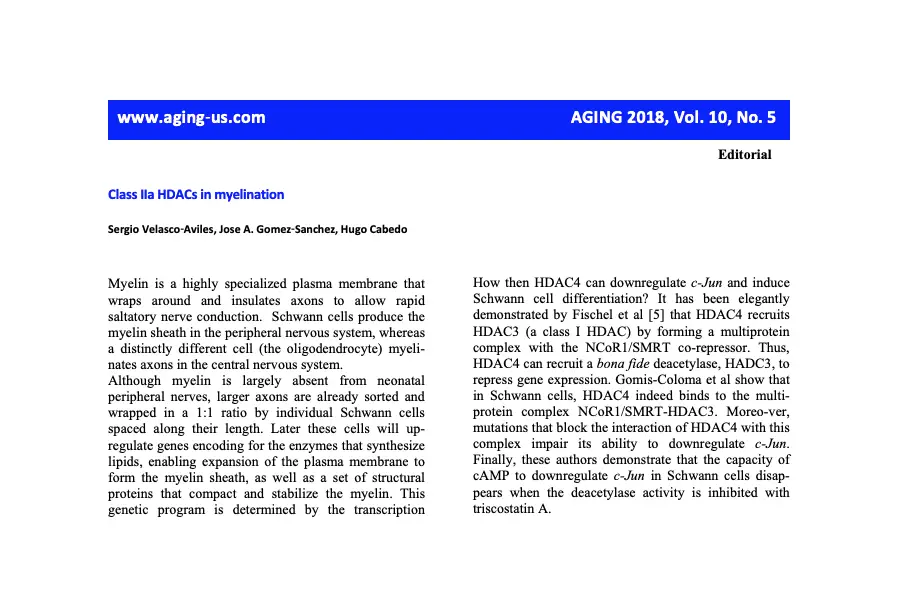
Class IIa HDACs in myelination

Class IIa HDACs in myelination

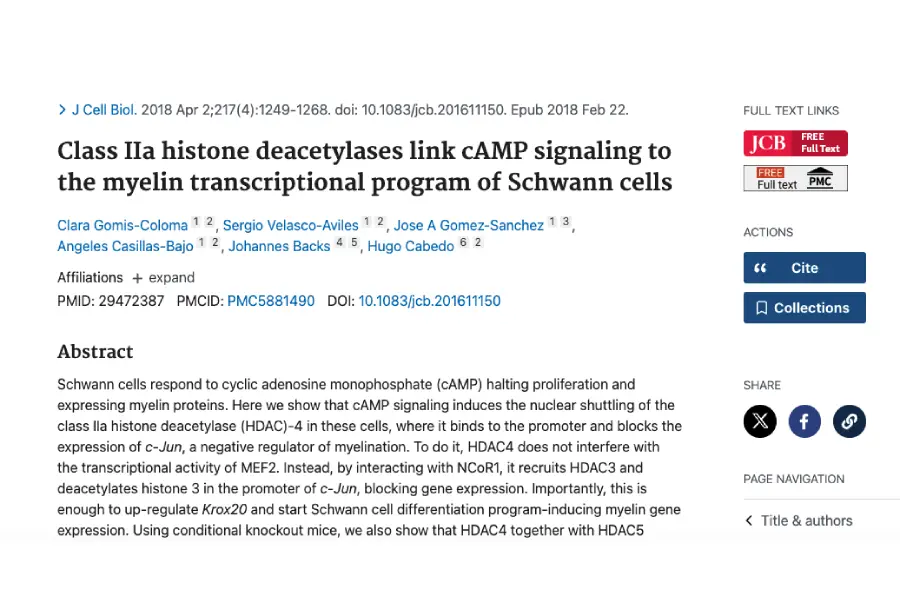
Class IIa histone deacetylases link cAMP signaling to the myelin transcriptional program of Schwann cells

Class IIa histone deacetylases link cAMP signaling to the myelin transcriptional program of Schwann cells

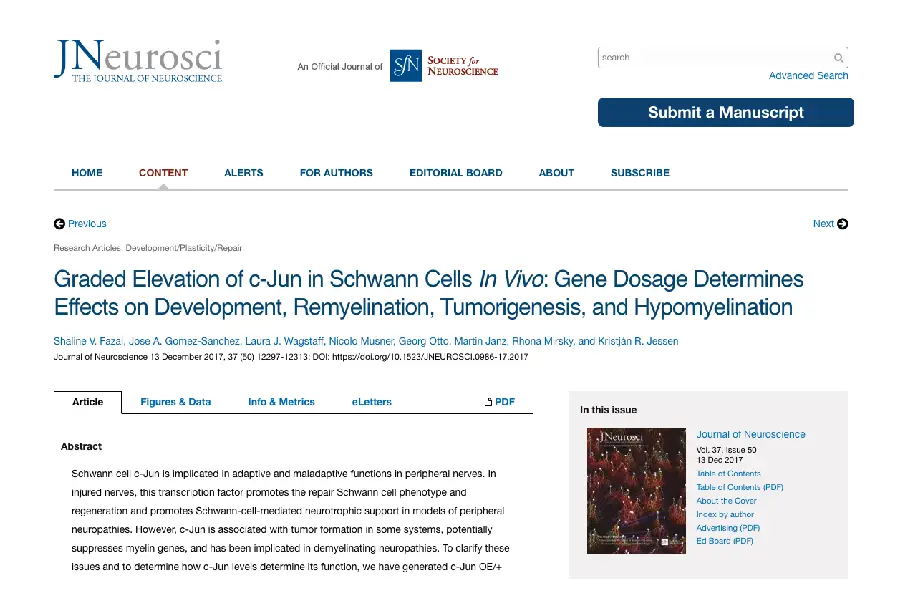
Graded Elevation of c-Jun in Schwann Cells In Vivo: Gene Dosage Determines Effects on Development, Remyelination, Tumorigenesis, and Hypomyelination

Graded Elevation of c-Jun in Schwann Cells In Vivo: Gene Dosage Determines Effects on Development, Remyelination, Tumorigenesis, and Hypomyelination

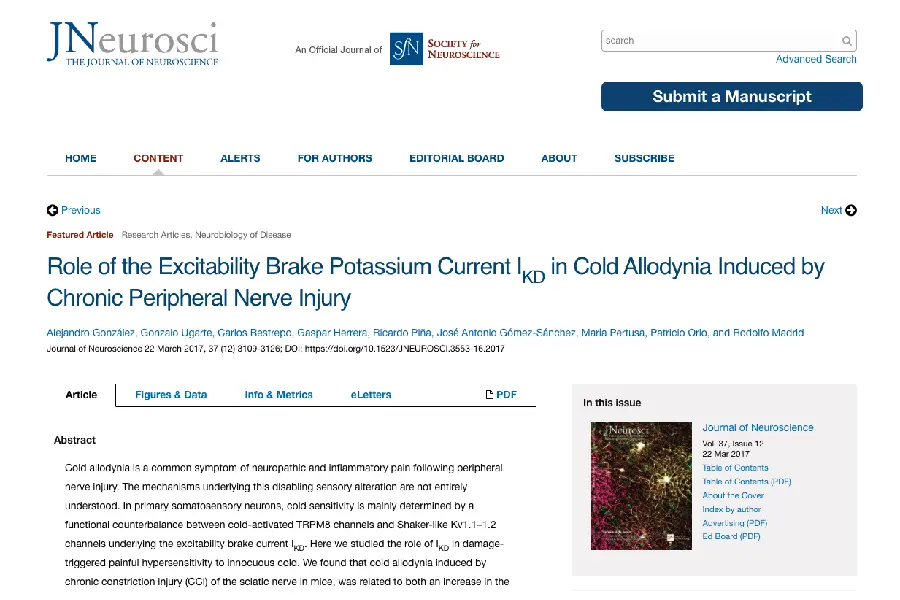
Role of the Excitability Brake Potassium Current I-KD in Cold Allodynia Induced by Chronic Peripheral Nerve Injury

Role of the Excitability Brake Potassium Current I-KD in Cold Allodynia Induced by Chronic Peripheral Nerve Injury

After Nerve Injury, Lineage Tracing Shows That Myelin and Remak Schwann Cells Elongate Extensively and Branch to Form Repair Schwann Cells, Which Shorten Radically on Remyelination

After Nerve Injury, Lineage Tracing Shows That Myelin and Remak Schwann Cells Elongate Extensively and Branch to Form Repair Schwann Cells, Which Shorten Radically on Remyelination

Changes in the Coding and Non-coding Transcriptome and DNA Methylome that Define the Schwann Cell Repair Phenotype after Nerve Injury

Changes in the Coding and Non-coding Transcriptome and DNA Methylome that Define the Schwann Cell Repair Phenotype after Nerve Injury

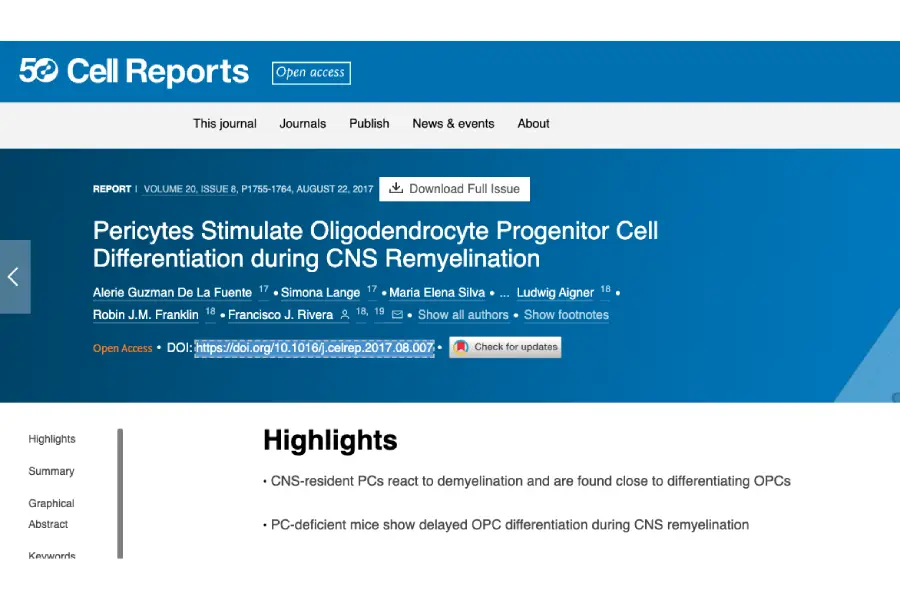
Pericytes Stimulate Oligodendrocyte Progenitor Cell Differentiation during CNS Remyelination

Pericytes Stimulate Oligodendrocyte Progenitor Cell Differentiation during CNS Remyelination

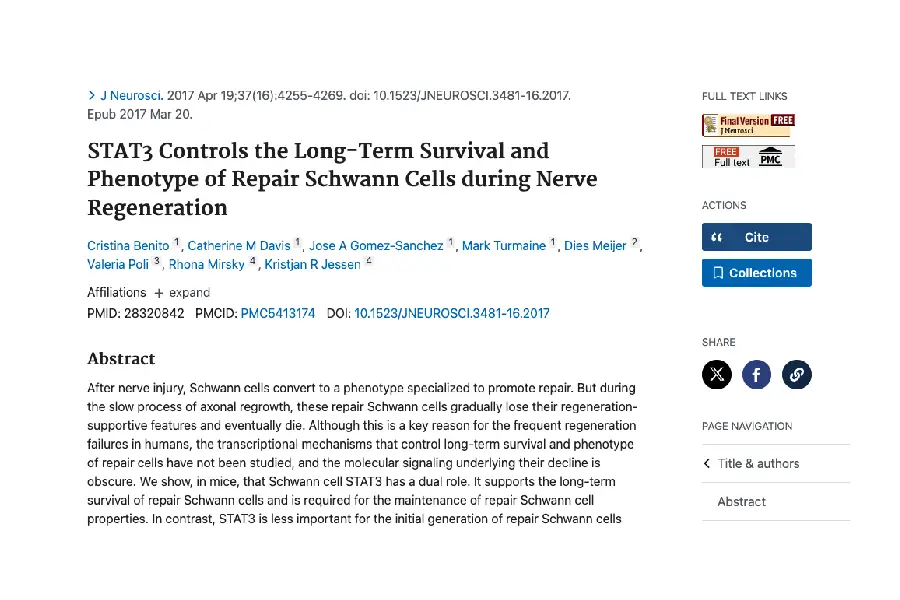
STAT3 Controls the Long-Term Survival and Phenotype of Repair Schwann Cells during Nerve Regeneration

STAT3 Controls the Long-Term Survival and Phenotype of Repair Schwann Cells during Nerve Regeneration

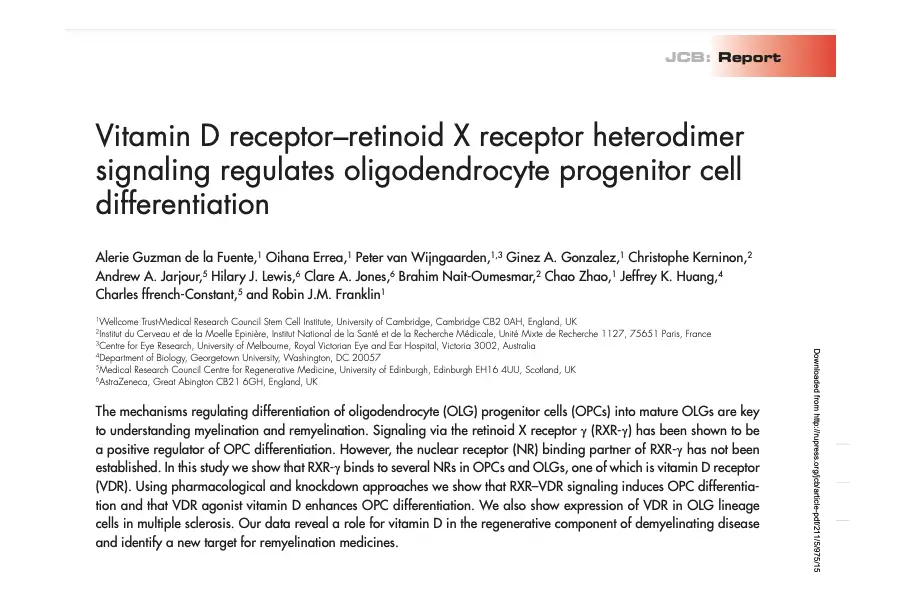
Vitamin D receptor–retinoid X receptor heterodimer signaling regulates oligodendrocyte progenitor cell differentiation

Vitamin D receptor–retinoid X receptor heterodimer signaling regulates oligodendrocyte progenitor cell differentiation

Retinoid X receptor activation reverses age-related deficiencies in myelin debris phagocytosis and remyelination

Retinoid X receptor activation reverses age-related deficiencies in myelin debris phagocytosis and remyelination

Schwann cell autophagy, myelinophagy, initiates myelin clearance from injured nerves

Schwann cell autophagy, myelinophagy, initiates myelin clearance from injured nerves

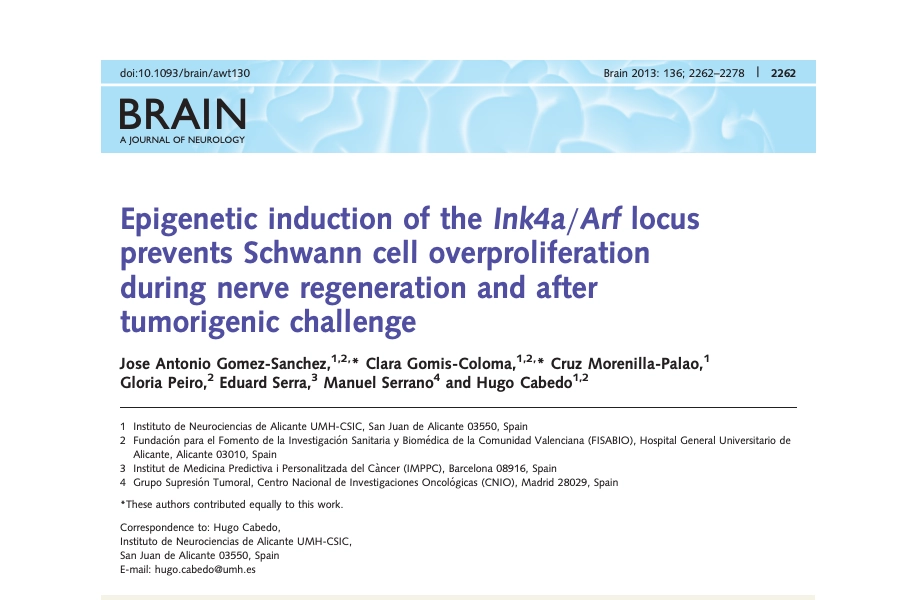
Epigenetic induction of the Ink4a/Arf locus prevents Schwann cell overproliferation during nerve regeneration and after tumorigenic challenge

Epigenetic induction of the Ink4a/Arf locus prevents Schwann cell overproliferation during nerve regeneration and after tumorigenic challenge

Endocytosis of synaptic ADAM10 in neuronal plasticity and Alzheimer’s disease

Endocytosis of synaptic ADAM10 in neuronal plasticity and Alzheimer’s disease

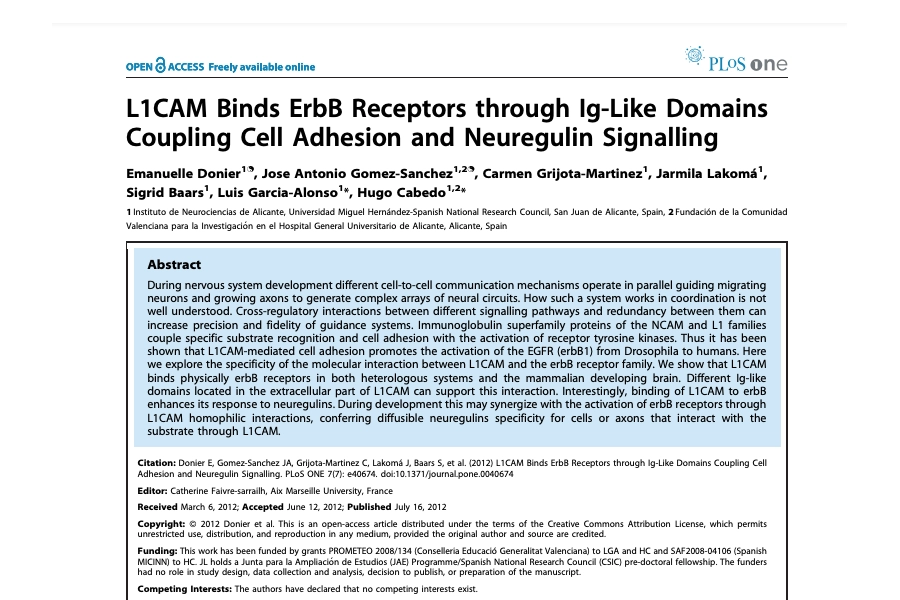
L1CAM Binds ErbB Receptors through Ig-Like Domains Coupling Cell Adhesion and Neuregulin Signalling

L1CAM Binds ErbB Receptors through Ig-Like Domains Coupling Cell Adhesion and Neuregulin Signalling

Masking of transmembrane-based retention signals controls ER export of gamma-secretase.

Masking of transmembrane-based retention signals controls ER export of gamma-secretase.

The microbiota regulates murine inflammatory responses to toxin-induced CNS demyelination but has minimal impact on remyelination.

The microbiota regulates murine inflammatory responses to toxin-induced CNS demyelination but has minimal impact on remyelination.

Sustained Axon-Glial Signaling Induces Schwann Cell Hyperproliferation, Remak Bundle Myelination, and Tumorigenesis

Sustained Axon-Glial Signaling Induces Schwann Cell Hyperproliferation, Remak Bundle Myelination, and Tumorigenesis

Lipid Raft Segregation Modulates TRPM8 Channel Activity

Lipid Raft Segregation Modulates TRPM8 Channel Activity

Transcriptional control of cholesterol biosynthesis in schwann cells by axonal neuregulin 1

Transcriptional control of cholesterol biosynthesis in schwann cells by axonal neuregulin 1

Characterization of a neural-specific splicing form of the human neuregulin 3 gene involved in oligodendrocyte survival

Characterization of a neural-specific splicing form of the human neuregulin 3 gene involved in oligodendrocyte survival

Instituto de Investigación Sanitaria y Biomédica de Alicante

(ISABIAL)

Myelin Alicante Labs
Avda Pintor Baeza, 12
Hospital General Universitario Dr Balmis
Planta 6ª Centro de Diagnóstico
03010 Alicante (Spain)

Instituto de Neurociencias

(UMH-CSIC)

Myelin Alicante Labs
Avd. Ramón y Cajal, s/n  
Campus UMH de San Juan.
03550 San Juan de Alicante Alicante (Spain)

+34 965 913 949 hello@myelinalicante.com myelinalicante
Cookie Policy (EU) Funding

© Myelin Alicante Labs

  • Research
  • Publications
  • Team
  • Collaborative Network
  • Contact
  • Gallery
  • News
Manage Cookie Consent
To provide the best experiences, we use technologies like cookies to store and/or access device information. Consenting to these technologies will allow us to process data such as browsing behavior or unique IDs on this site. Not consenting or withdrawing consent, may adversely affect certain features and functions.
Functional Siempre activo
The technical storage or access is strictly necessary for the legitimate purpose of enabling the use of a specific service explicitly requested by the subscriber or user, or for the sole purpose of carrying out the transmission of a communication over an electronic communications network.
Preferencias
El almacenamiento o acceso técnico es necesario para la finalidad legítima de almacenar preferencias no solicitadas por el abonado o usuario.
Statistics
El almacenamiento o acceso técnico que es utilizado exclusivamente con fines estadísticos. The technical storage or access that is used exclusively for anonymous statistical purposes. Without a subpoena, voluntary compliance on the part of your Internet Service Provider, or additional records from a third party, information stored or retrieved for this purpose alone cannot usually be used to identify you.
Marketing
The technical storage or access is required to create user profiles to send advertising, or to track the user on a website or across several websites for similar marketing purposes.
Administrar opciones Gestionar los servicios Gestionar {vendor_count} proveedores Leer más sobre estos propósitos
View preferences
{title} {title} {title}